-
Scientists Map the Distribution of Antimicrobial Resistance Emission across Chinese Major Cities
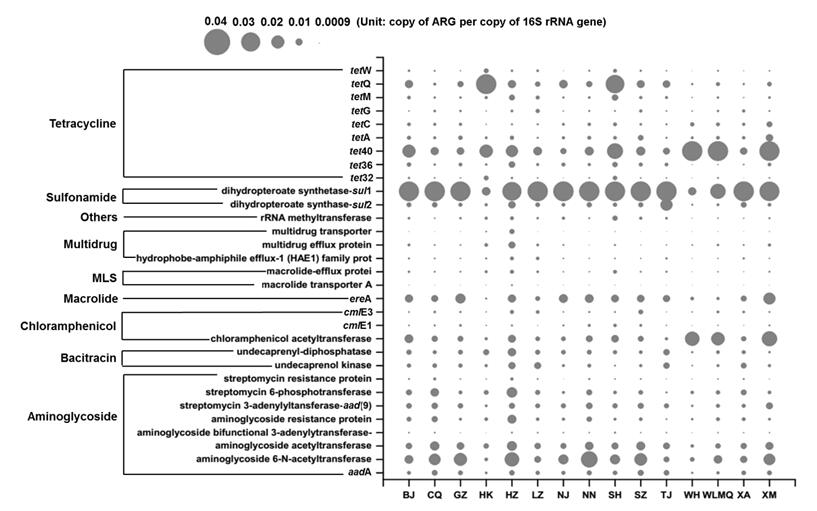
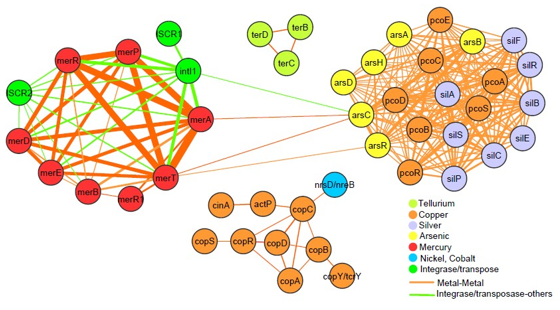
Global emergence of antimicrobial resistance threatens the therapies of bacterial pathogen infections. Professor ZHU Yongguan from Institute of Urban Environment, Chinese Academy of Sciences and his international collaborators, have conducted a nation-wide survey of antimicrobial resistance elements in urban sewage and depicted that the distribution of antimicrobial resistan...Global emergence of antimicrobial resistance threatens the therapies of bacterial pathogen infections. Professor ZHU Yongguan from Institute of Urban Environment, Chinese Academy of Sciences and his international collaborators, have conducted a nation-wide survey of antimicrobial resistance elements in urban sewage and depicted that the distribution of antimicrobial resistan...
-
The Scientists of IUE made new progresses in the impacts of environmental factors on arsenate biotransformation and metabolism in Microcystis aeruginosa
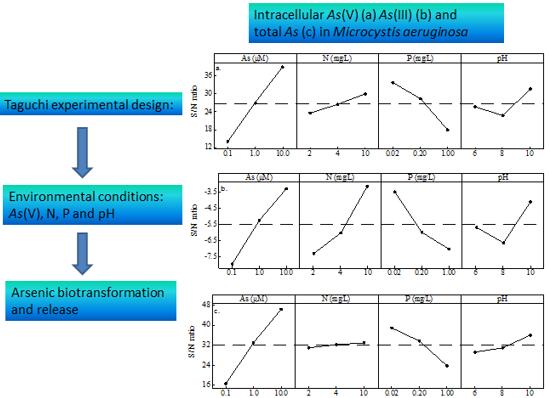
Arsenic (As) in natural waters mainly includes inorganic As and organoarsenicals. The widespread occurrence of As in the aquatic environment, especially in freshwater, has attracted extensive concern, because of its potential environmental risk to human health. Although previous studies has suggested that cyanobacteria and other microorganisms may play an important role in A...Arsenic (As) in natural waters mainly includes inorganic As and organoarsenicals. The widespread occurrence of As in the aquatic environment, especially in freshwater, has attracted extensive concern, because of its potential environmental risk to human health. Although previous studies has suggested that cyanobacteria and other microorganisms may play an important role in A...
-
Institute of Urban Environment Has Made A Progress In Anthropogenic Arsenic Cycles
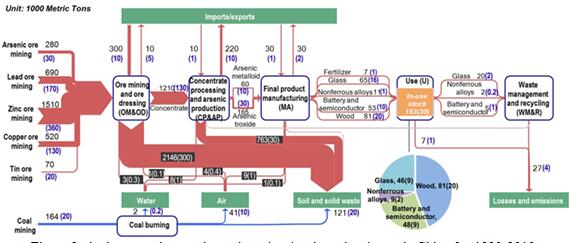
Arsenic is a kind of metalloid element with toxicity. Currently, arsenic turnover caused by human activities has exceeded 50% of anthropogenic arsenic cycles, resulting in aggravation of relevant environmental and healthy problem. China is not only the biggest arsenic producer and consumer, but also one of countries that is most seriously polluted by arsenic. Even so, there ...Arsenic is a kind of metalloid element with toxicity. Currently, arsenic turnover caused by human activities has exceeded 50% of anthropogenic arsenic cycles, resulting in aggravation of relevant environmental and healthy problem. China is not only the biggest arsenic producer and consumer, but also one of countries that is most seriously polluted by arsenic. Even so, there ...
-
Property Investigation for Microbial Nano-catalyst Putting on Carbon Outerwear
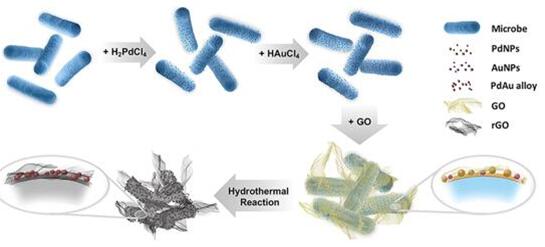
Biosynthesis based on the reducing capacity of electrochemically active bacteria is frequently used in the reduction of metal ions into nanoparticles as an eco-friendly way to recycle metal resources. However, those bionanoparticles cannot be used directly as electrocatalysts because of the poor conductivity of cell substrates.Biosynthesis based on the reducing capacity of electrochemically active bacteria is frequently used in the reduction of metal ions into nanoparticles as an eco-friendly way to recycle metal resources. However, those bionanoparticles cannot be used directly as electrocatalysts because of the poor conductivity of cell substrates. This problem was solved by a hydrothermal react...
-
Team of scientists uncover bacterial resistance to arsenic protects against protist killing
A group of international scientists have provided evidence that amoeba use arsenic to poison their bacterial prey (“Bacterial resistance to arsenic protects against protist killing”, Biometals, DOI 10.1007/s10534-017-0003-4). Protists were the first eukaryotes to evolve mainly using bacteria as their food source. Protists with an efficient mechanism to rapidly kill bacteri...A group of international scientists have provided evidence that amoeba use arsenic to poison their bacterial prey (“Bacterial resistance to arsenic protects against protist killing”, Biometals, DOI 10.1007/s10534-017-0003-4). Protists were the first eukaryotes to evolve mainly using bacteria as their food source. Protists with an efficient mechanism to rapidly kill bacteri...
-
Traditional size-fractionated filtering-based metabarcoding can't discriminate planktonic microbial and large eukaryotes due to environmental DNA
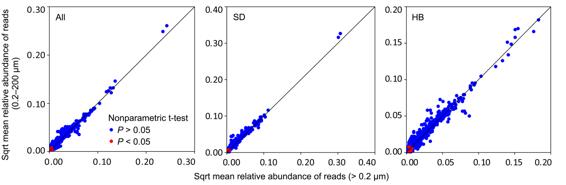
Microeukaryotic plankton constitute part of the base of aquatic food webs and play important roles in the structure and function of aquatic ecosystems. Reservoir microeukaryotic plankton (0.2–200 microns) including protozoa, algae, fungi and small metazoan, etc., are characterized by their small size and high diversity. This diversity has been studied through light microsco...Microeukaryotic plankton constitute part of the base of aquatic food webs and play important roles in the structure and function of aquatic ecosystems. Reservoir microeukaryotic plankton (0.2–200 microns) including protozoa, algae, fungi and small metazoan, etc., are characterized by their small size and high diversity. This diversity has been studied through light microsco...