-
Scientists reveal large scale pollution of estuarine wetland with antibiotic resistant genes due to human activity
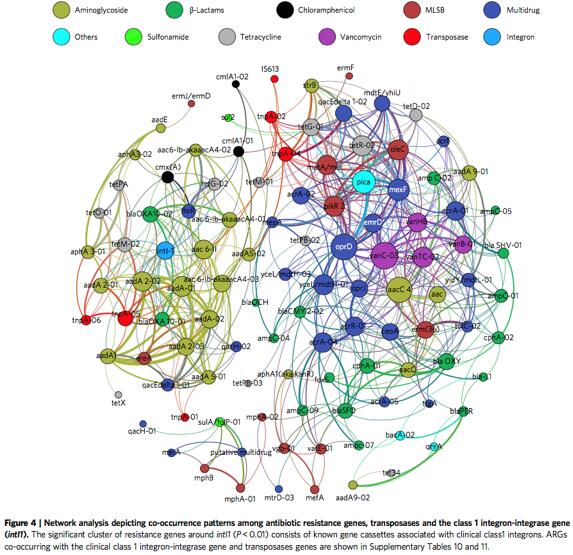
An international group of researchers, led by Professor Yong-Guan ZHU, Institute of Urban Environment, Chinese Academy of Sciences have detected the widespread presence of antibiotic resistance genes in estuarine areas – regions where land, freshwater and seawater meet. The results indicate that polluting antibiotic agents and resistance genes, released into the natural env...
-
Institute of Urban Environment has made a new progress in how eutrophication influence the biogeochemical cycles of arsenic species in lake environment
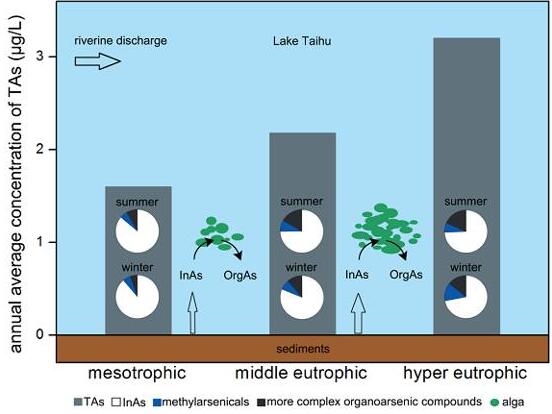
Arsenic in natural aquatic systems mainly exists in inorganic states including arsenate (As(V)) and arsenite (As(III)) and organoarsenicalsArsenic in natural aquatic systems mainly exists in inorganic states including arsenate (As(V)) and arsenite (As(III)) and organoarsenicals including monomethylarsenic acid (MMA(V)) and dimethylarsenic acid (DMA(V)). It has attracted extensive concern, because of its potential environmental risk to human health. Although previous researche have indicated that eutrophication ...
-
Institute of Urban Environment has made a new progress in the effects of water level fluctuations on phytoplankton and cyanobacteria dynamics in reservoirs
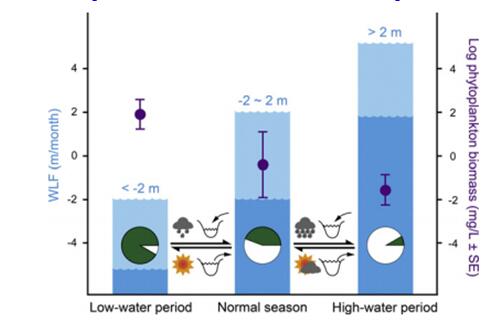
Water resource in reservoirs has provided ecosystem services for human in field of water supply, flood control, power generation, cultivation, etc for more than half a century. China is the largest dam-building country in the world, with the total estimated storage capacity of reservoirs being triple that of natural lakes. So reservoirs play a increasingly prominent role to ...Water resource in reservoirs has provided ecosystem services for human in field of water supply, flood control, power generation, cultivation, etc for more than half a century. China is the largest dam-building country in the world, with the total estimated storage capacity of reservoirs being triple that of natural lakes. So reservoirs play a increasingly prominent role to ...
-
Institute of Urban Environment has revealled Long-term field application of sewage sludge leads the contamination of antibiotic resistance genes in soil
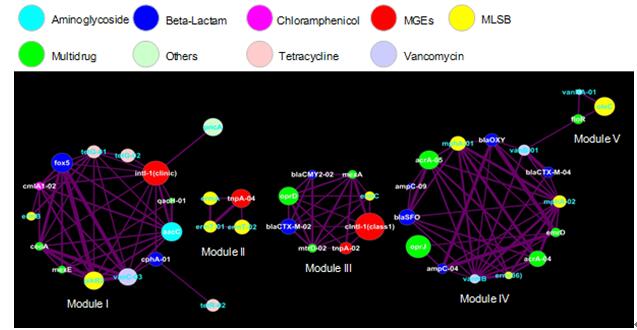
Mass production and use of antibiotics has last for more than 70 years, greatly promoting the human health and agricultural production. However, previously using antibiotics largely and improperly may result in the spread of antibiotic resistance. Therefore, in 2001, world health organization(WTO) had regarded antibiotic resistance genes (ARGs) as one of the most challenging...
-
Institute of Urban Environment has made a new progress in the field of Tracking urban carbon footprints
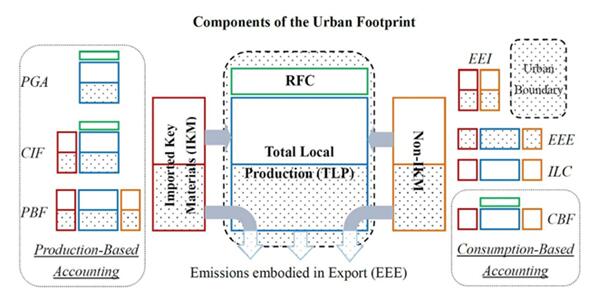
Cites generate about 70% of global greenhouse gas emissions. Therefore Cities have large advantages in implementing greenhouse gas (GHG) reduction actions economically, socially, and polically. The production and consumption activities of cities can extend to the heart of upstream and downstream customers. By producing and processing basic materials such as imported energy, ...
-
Institute of Urban Environment has made a new progress in how titanium dioxide nanoparticles influenced the bioavailability of the Daphnia magna
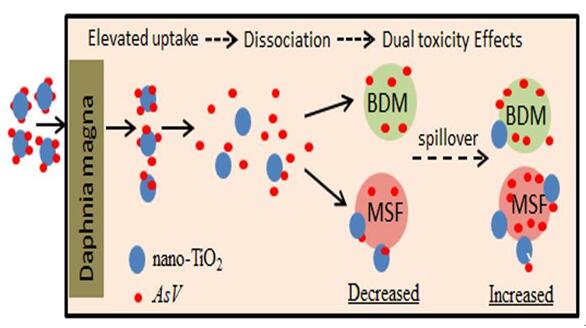
Titanium dioxide nanoparticles (nTiO2) are manufactured in large quantity and widely used due to their large surface areas, stability, anti-corrosion and photocatalysis property, etc. The extensive ues of nTiO2 can’t avoid leading human exposures and Environmental disclosure, and then threaten the health of human, animal and even the whole ecosystem. Recently, research arti...