-
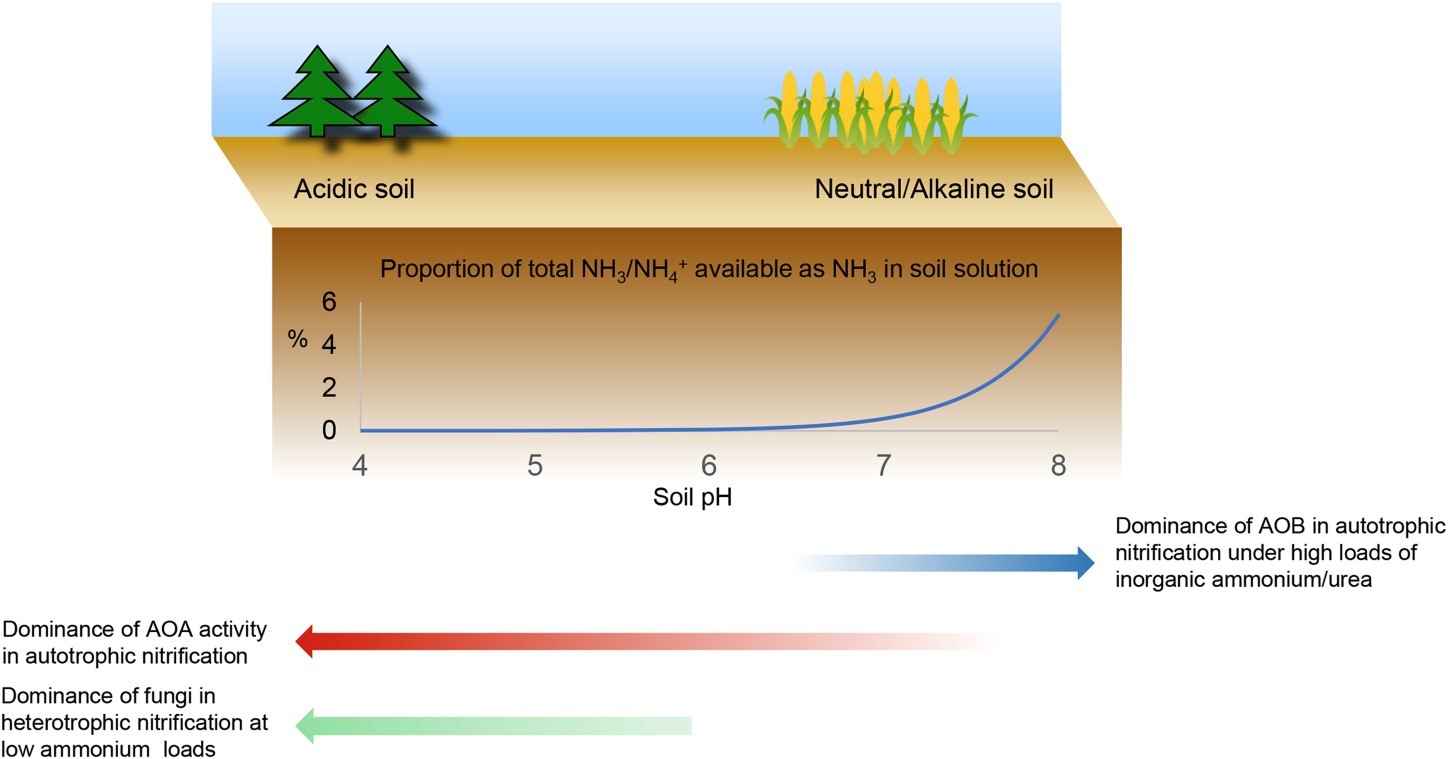
Scientists reviewed the recent progress in nitrification and nitrifiers in acidic soils
Scientists from the Institute of Urban Environment, Chinese Academy of Sciences, have discussed and reviewed the recent progress in our understanding of nitrification and nitrifiers, specifically in acidic soils.Nitrification, as a crucial step in nitrogen cycling and plant nutrition, is a biologically mediated process responsible for enormous losses of nitrogen fertilizer a...
-
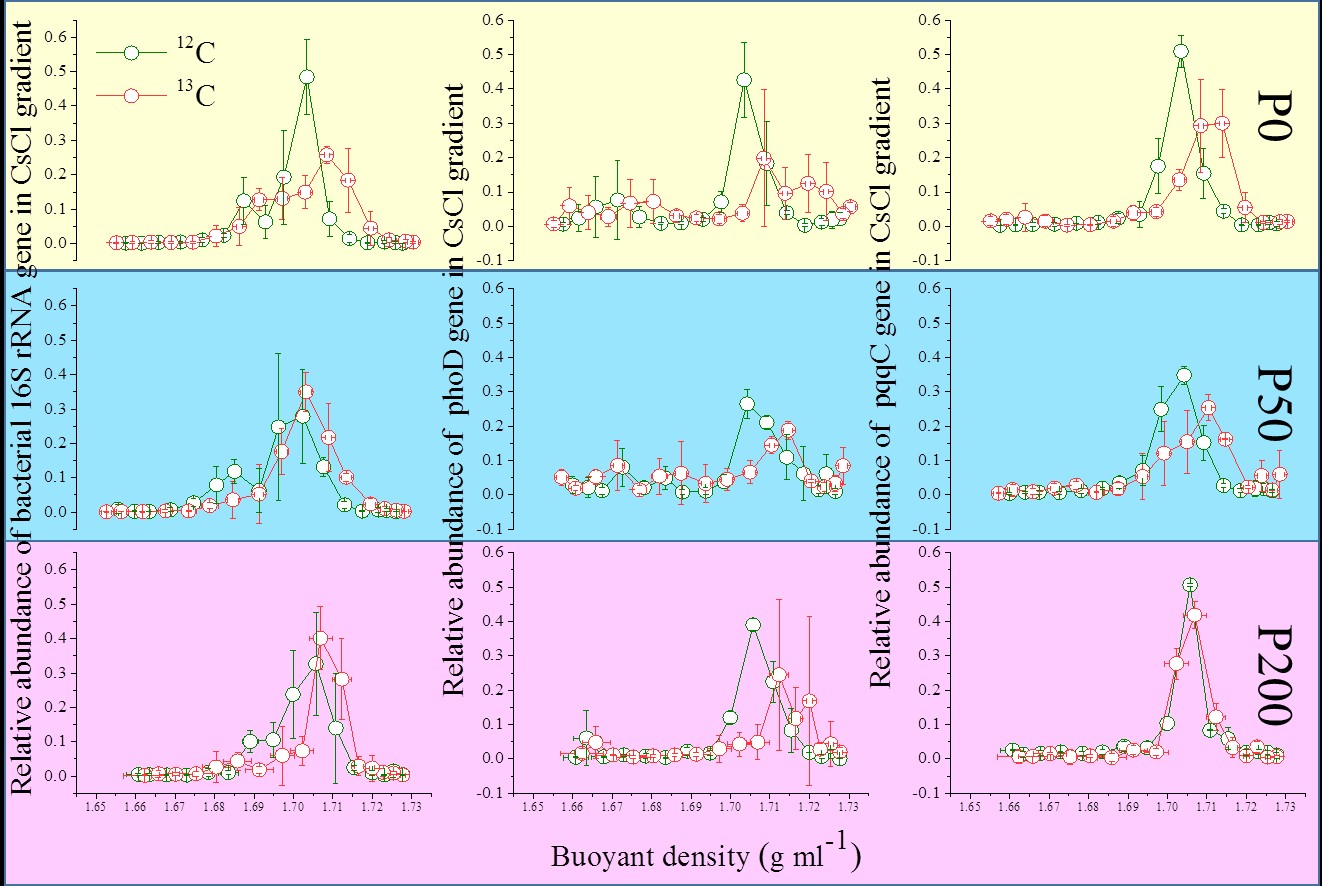
Changes of Soil Phosphorus Availability Affect the Phosphate-solubilising Microbial Community in the Rice Rhizosphere
Rice (Oryzae sativa L.) is the staple food supplying more than half of the world’s population. However, phosphorus deficiency is a major factor limiting rice yield, since P is often not readily available due to tight binding in Fe-P or Al-P forms. As the key driver of the element biogeochemical cycle, soil microorganisms play an important role in the promotion of soil P ava...
-
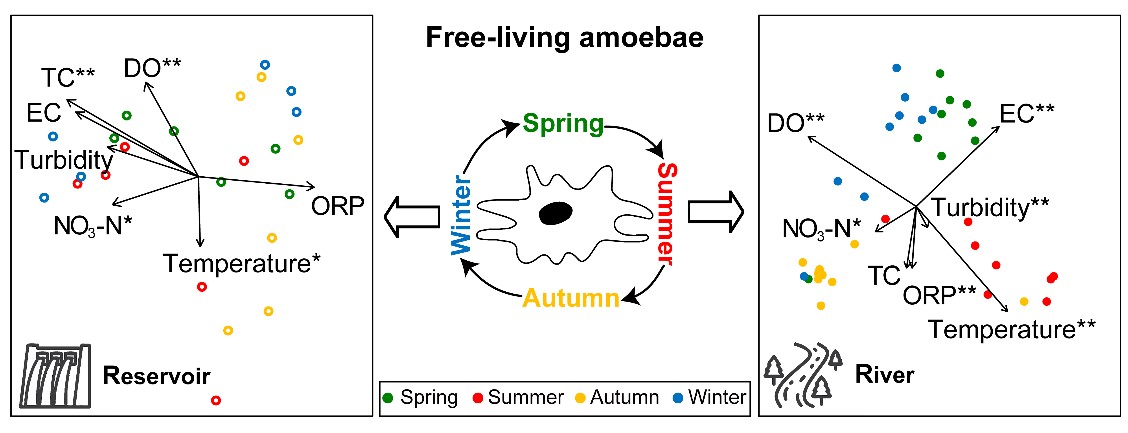
Institute of Urban Environment has made new progress in understanding the dynamics and determinants of amoeba community, occurrence and abundance in subtropical reservoirs and rivers
Free-living amoebae are single-celled eukaryotic microorganisms, widely distributed both in natural and man-made aquatic ecosystems, and they play key roles in water purification and in biogeochemical cycling and fertility maintenance of aquatic and terrestrial ecosystems. They feed on various microorganisms including fungi and bacteria, and constitute significant links in m...
-
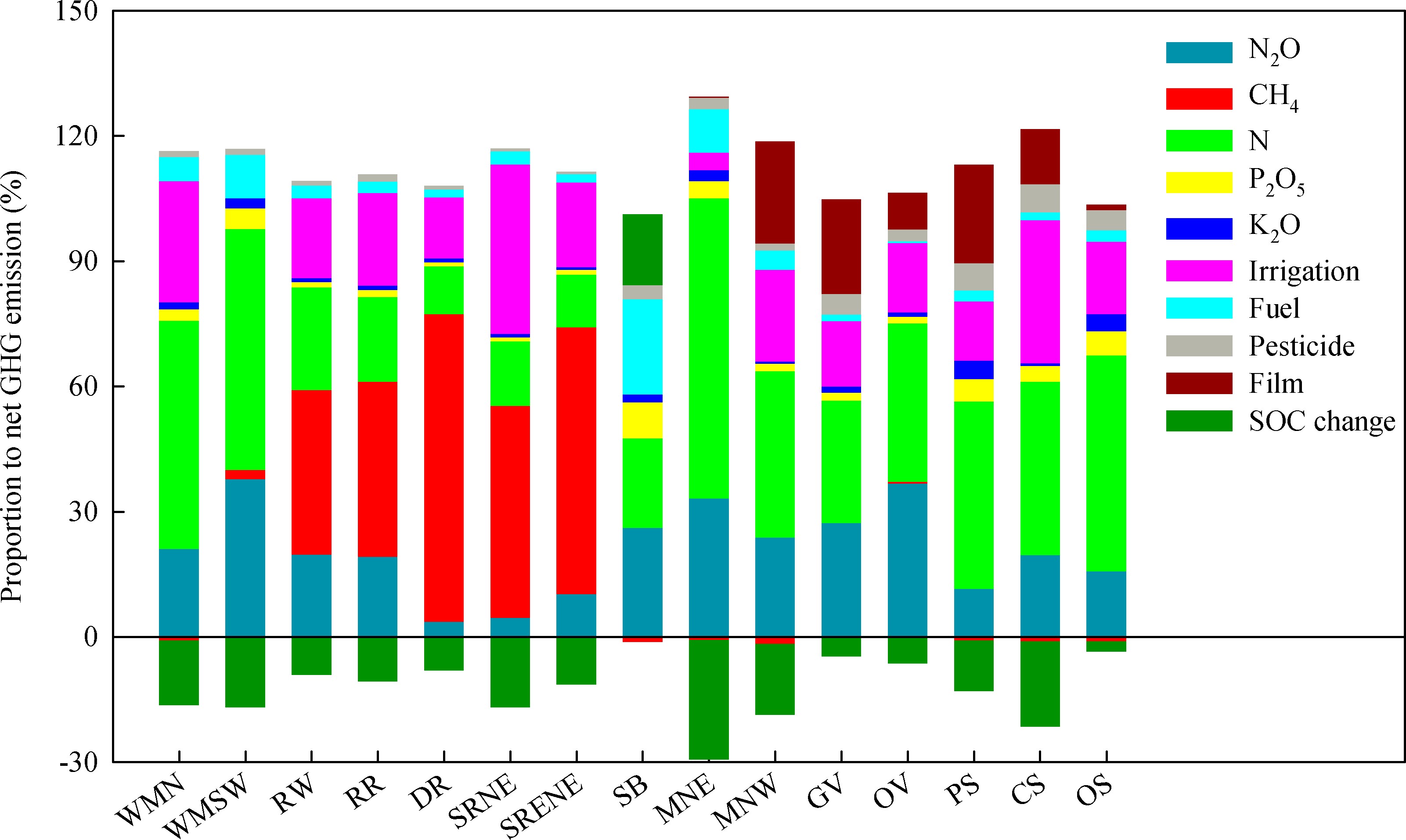
Progress on the study of greenhouse gas emissions in the initial stage of the Chinese food chain system.
As the primary production system of food chain, farmland planting process is an important process of agricultural greenhouse gas emission (GHG). Since the beginning of the 21st century, a large number of studies on the changes of soil organic carbon (SOC) in farmland at the national and regional scales have been carried out in China. It was found that the average SOC is incr...
-
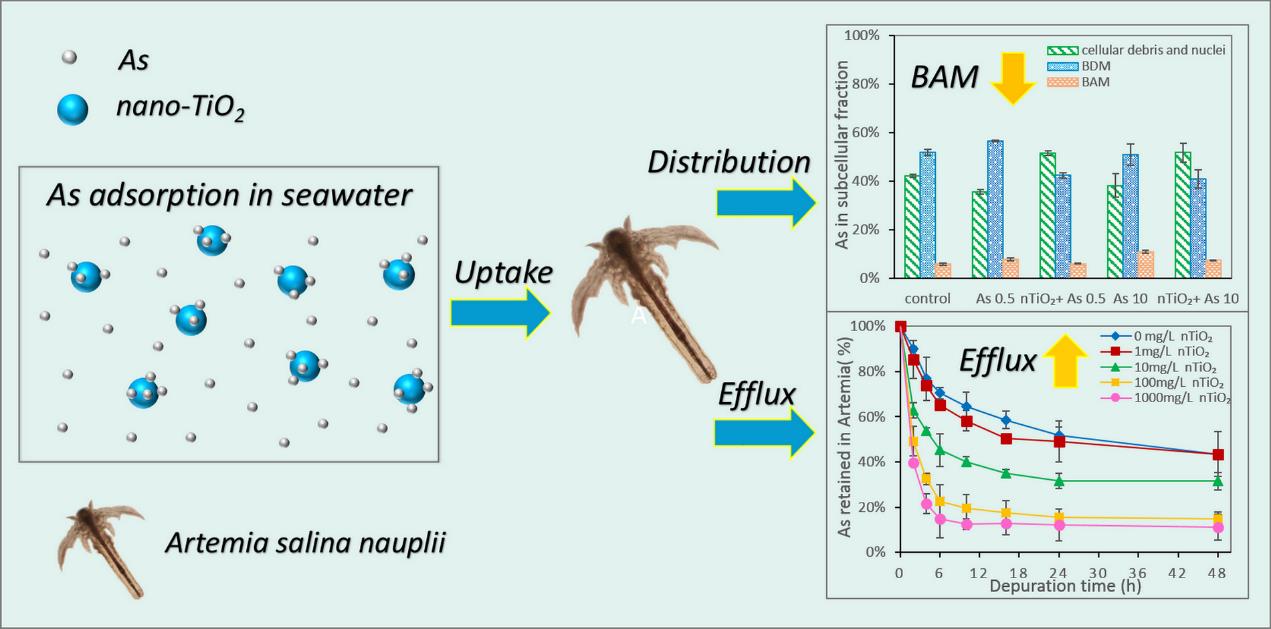
IUE has made a new progress in how nano-TiO2 influence the bioavailability of arsenic in Artemia salina nauplii and the trophic transfer of arsenic in saltwater food chain
Arsenic (As) is a toxic metalloid that exists ubiquitously in nature. It ranks first in the priority list of hazardous substances (2017) by the Agency for Toxic Substances and Diseases Registry (ATSDR). In water, As usually binds to environmental substances (such as nanoparticles and humic acids), and these complexes may dominate As species in aquatic environments. As one of...
-
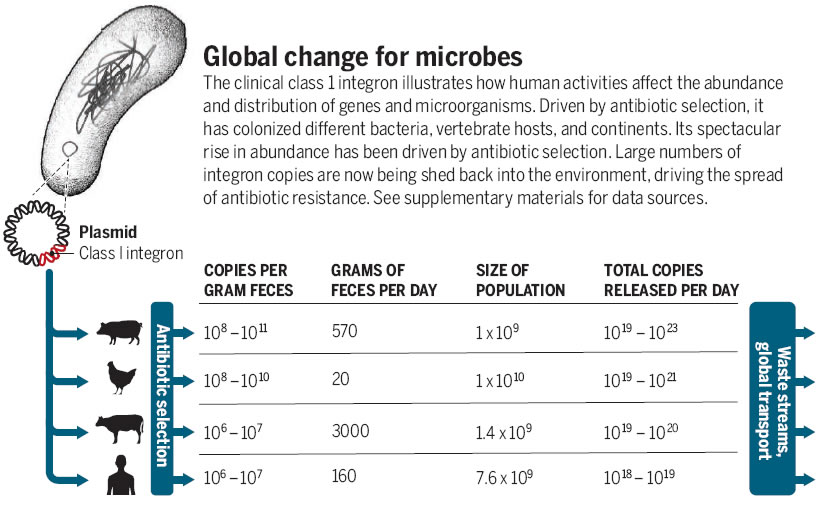
Microbes transport with no national boundary and invisibly
Microbes are tiny, and inviable in our naked eyes, yet they are everywhere. Microbes are providing ecosystem services for food production, environmental protection and human health. Some microbes, under certain conditions can also cause damages to humans, animals and plants, these are called pathogens.An international group of scientists led by Prof Yong-Guan Zhu, from the I...