-
Institute of Urban Environment has made a new progress in the field of Measuring urban carbon footprints
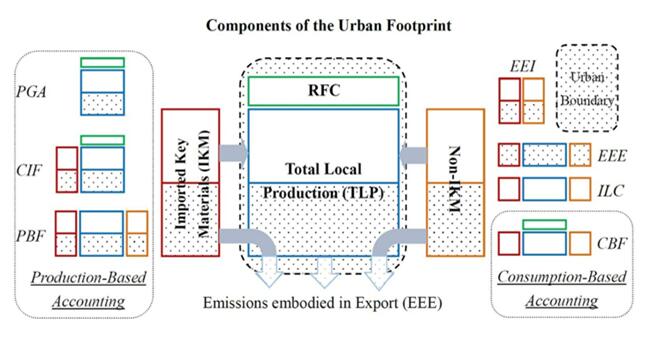
Cites generate about 70% of global greenhouse gas emissions. Therefore Cities have large advantages in implementing greenhouse gas (GHG) reduction actions economically, socially, and polically. The production and consumption activities of cities can extend to the upstream hinterland and downstream customers. This extension embodied in producing and processing basic materials...
-
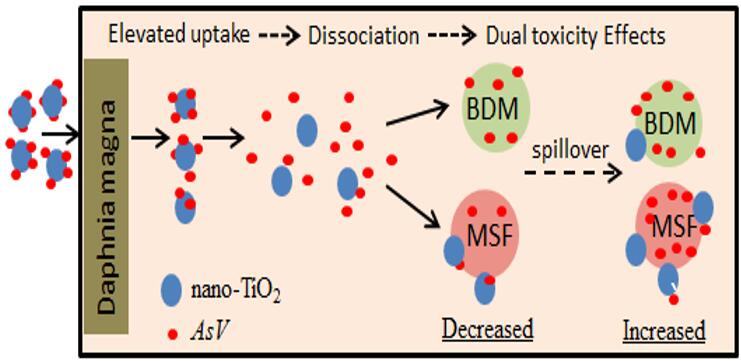
Institute of Urban Environment, C.A.S uncovered the influence of titanium dioxide nanoparticles on arsenate accumulation, distribution, and toxicity in Daphnia magna
Potential health hazards and environmental impacts of manufactured nanoparticles (MNPs) have become a significant concern with the rapid development of nanotechnology. Titanium dioxide nanoparticles (nano-TiO2) are widely used in consumer products. Most previous studies on health risks and environmental impacts of nano-TiO2 have focused on their biological effects and toxici...Potential health hazards and environmental impacts of manufactured nanoparticles (MNPs) have become a significant concern with the rapid development of nanotechnology. Titanium dioxide nanoparticles (nano-TiO2) are widely used in consumer products. Most previous studies on health risks and environmental impacts of nano-TiO2 have focused on their biological effects and toxici...
-
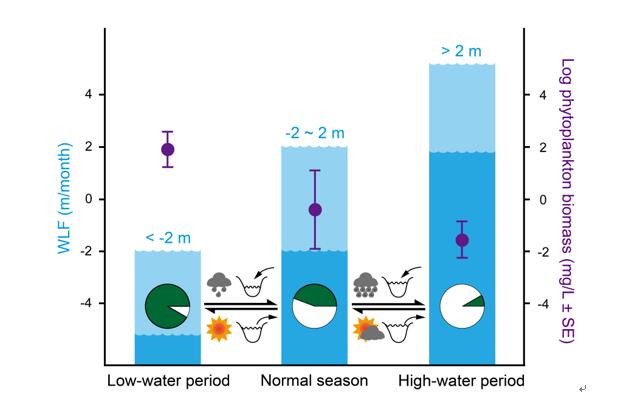
Water level-based management can help to control cyanobacterial blooms in subtropical reservoirs
China is the largest dam-building country in the world, with the total estimated storage capacity of reservoirs being triple that of natural lakes. Reservoirs are highly dynamic environments and changes in the hydrological characteristics and shifts in ecosystems state may threaten biodiversity and cause large losses of sustainable ecosystem goods and services. Phytoplankton...
-
Urban health and well-being
The Institute of Urban Environment (IUE) of the Chinese Academy of Sciences (CAS) was established on July 4, 2006. IUE–CAS is a unique national research institute engaged in comprehensive studies of the urban environment. The institute aims to generate knowledge to aid sustainable urbanization in China and the world. IUE’s mission is to understand the environmental impacts...The Institute of Urban Environment (IUE), Chinese Academy of Sciences (CAS) was established on 4 July 2006.IUE-CAS is a unique national research institute engaged in comprehensive studies on the world’s urban environment. The vision of the institute is to support rapid urbanization in China and to become a center of excellence in urban environmental research in the Asia-Pac...
-
Research Progress of Atmospheric Environment Group in the DeNOx Catalysts
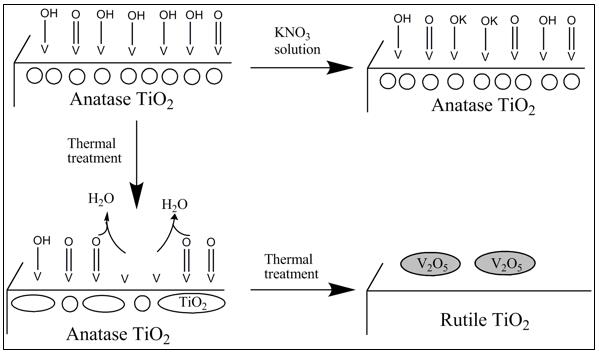
Selective catalytic reduction of NH3 (NH3-SCR) is the most popular method used in coal fired power plant to abate NOx in the flue gas at present. V2O5-WO3/TiO2 catalyst is one of the key technologies for NH3-SCR, and has a vitally important effect on the removal efficiency of NOx for NH3-SCR. However, the activity of catalysts will decrease gradually during the operation, an...
-
Bacteria May Remain Dormant After UV Disinfection
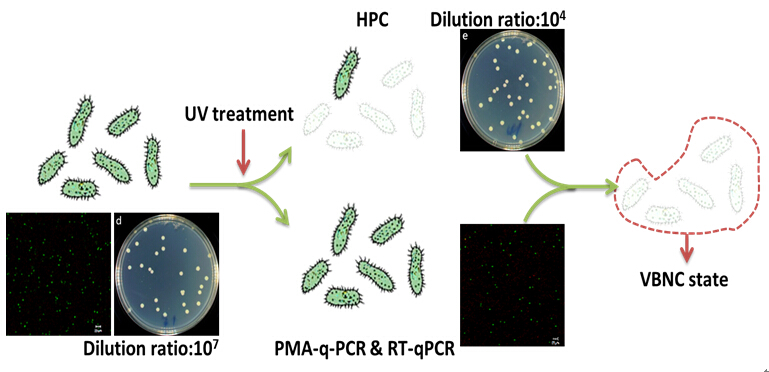
Many drinking water treatment facilities worldwide disinfect water with ultraviolet light because it’s quick and efficient, kills protozoa such as Giardia, and doesn’t introduce potentially harmful disinfection by-products. But a new study shows that UV treatment alone can push bacteria into a dormant state instead of killing them, and that in some cases, the bacteria can ...Many drinking water treatment facilities worldwide disinfect water with ultraviolet light because it’s quick and efficient, kills protozoa such as Giardia, and doesn’t introduce potentially harmful disinfection by-products. But a new study shows that UV treatment alone can push bacteria into a dormant state instead of killing them, and that in some cases, the bacteria can ...