-
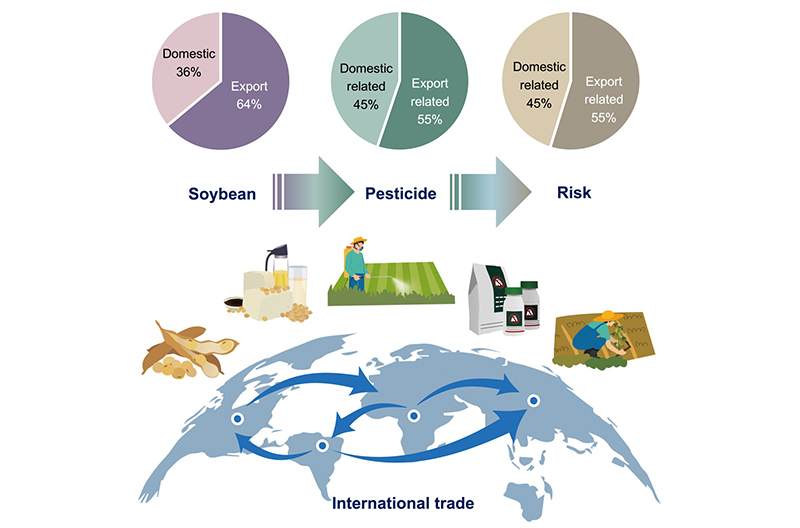
Researchers uncover pesticide footprints and environmental-health risks of global soybean trade
In a study published in Cell Reports Sustainability, researchers quantify the pesticide footprints and environmental-health risks of global soybean trade, highlighting the importance of agricultural trade in global pesticide management.The widespread use of pesticides in food production systems impacts human, animal, and ecosystem health. The globalization of the food trade ...
-
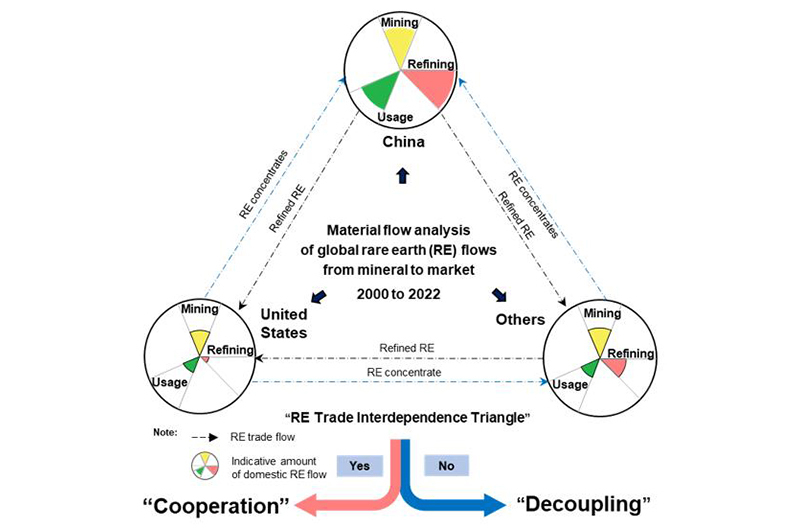
New Study highlighted the intensifying United States (US)-China Rare Earth Interdependence can De-risk Global Sustianble Development
Rare earths (REs) are at the frontline of the US-China trade disputes and other geopolitical tensions. These minerals are crucial for a climate-safe future and have been predominantly supplied by China over the past few decades. Consequently, the present policies from the United States (US) and some other nations perceive trade dependence on REs from China as a potential ris...
-
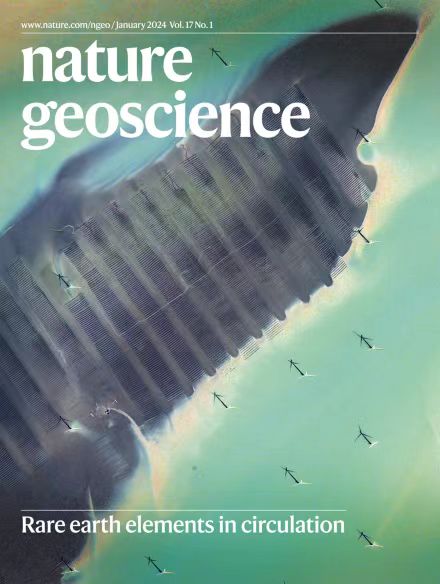
Researchers Reveal Significance of Rare Earth Circular Economy in Promoting Global Low-carbon Transition
Rare earth elements (REEs) such as neodymium, praseodymium, dysprosium, and terbium, play a crucial role in the manufacturing of various technologies that are essential for low-carbon energy and transportation systems. Given the limited supply from in-ground REE mines, circular economy strategies have gained attention as potential solutions to address supply chain issues. Ho...
-
Scientists summarized the effects of elevated carbon dioxide on methane emissions from paddies and wetlands
Scientists from the Institute of Urban Environment, Chinese Academy of Sciences, have determined elevated carbon dioxide concentration (e[CO2]) increased paddy methane (CH4) emissions but did not affect wetland CH4 emissions.Understanding and quantifying the impact of e[CO2] on CH4 globally is important for effectively assessing and mitigating climate warming. Paddies and we...
-
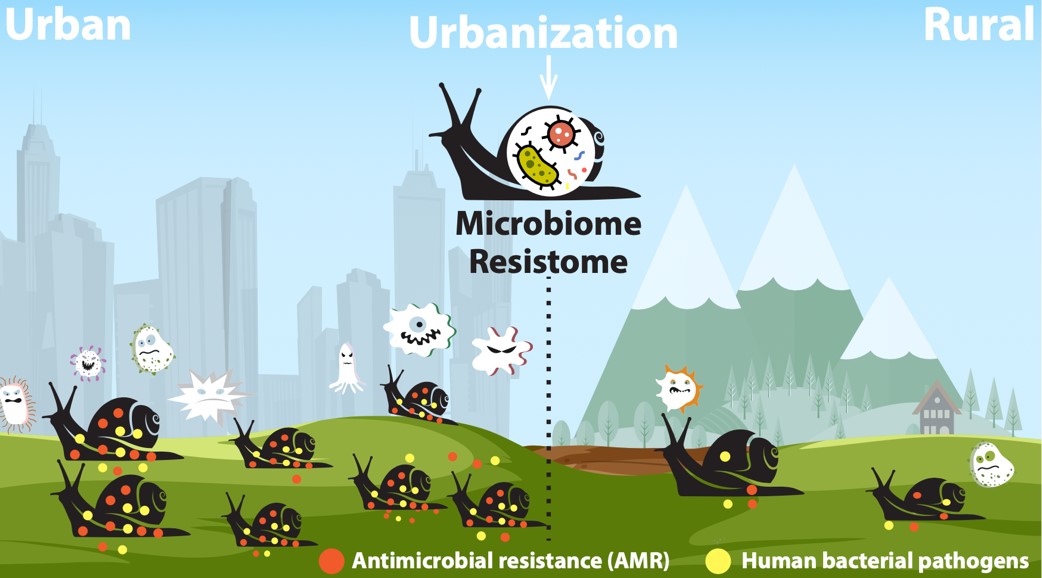
Unravelling the Urban Snail Menace:How City Living Amplifies Health Risks Posed by Invasive Species
As cities increasingly become hotspots for emerging infectious diseases, experts are focusing on the impact of rapid urbanisation on the persistence and transmission of zoonotic pathogens in soil. One pressing issue is the presence of soil-dwelling animals, such as invasive giant African snails, which are frequently found in urban green spaces across tropical and subtropical...
-
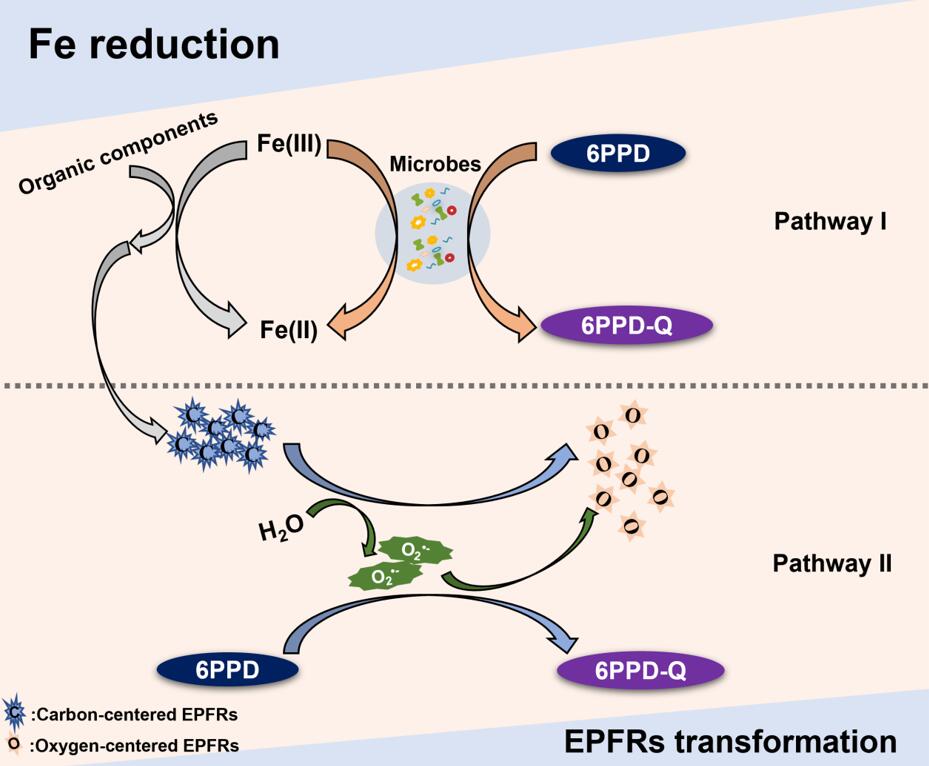
Iron Reduction and Environmentally Persistent Free Radicals Transformation Drive 6PPD-Q Formation in Flooded Soils
Rapid urbanization drives increased emission of tire wear particles (TWPs) and the contamination of a transformation product derived from tire antioxidant, termed as N-(1,3-dimethylbutyl)-N′-phenyl-p-phenylenediamine-quinone (6PPD-Q), with adverse implications for terrestrial ecosystems and human health. However, whether and how 6PPD-Q could be formed during the aging of TW...