


Scientists reveal the mechanism of carbon source influence on methane production in iron-rich paddy soils
Date:Feb 01, 2023
As an important source of methane emissions, rice fields account for 20% of global methane emissions and have a serious impact on global climate change. Paddy soils are rich in iron (Fe), and their redox processes are critical to the biogeochemical cycling of rice-field systems. However, it is not clear how iron oxides regulate the methanogenic capacity of different carbon sources.
LUO dan and Prof. YAO huaiying from the institute of urban environment investigated the methanogenesis of four carbon sources with different chain lengths (glucose, acetate, starch and nonanoate) and the associated changes in the communities of iron-reducing bacteria and methanogenic archaea were investigated in an iron-rich rice soil. A 90-day microcosm anaerobic culture was performed, and the CH4 production was measured by gas chromatography and the relative abundance of mcrA, a key gene in the methanogenesis process, was determined by real-time quantitative PCR technology.
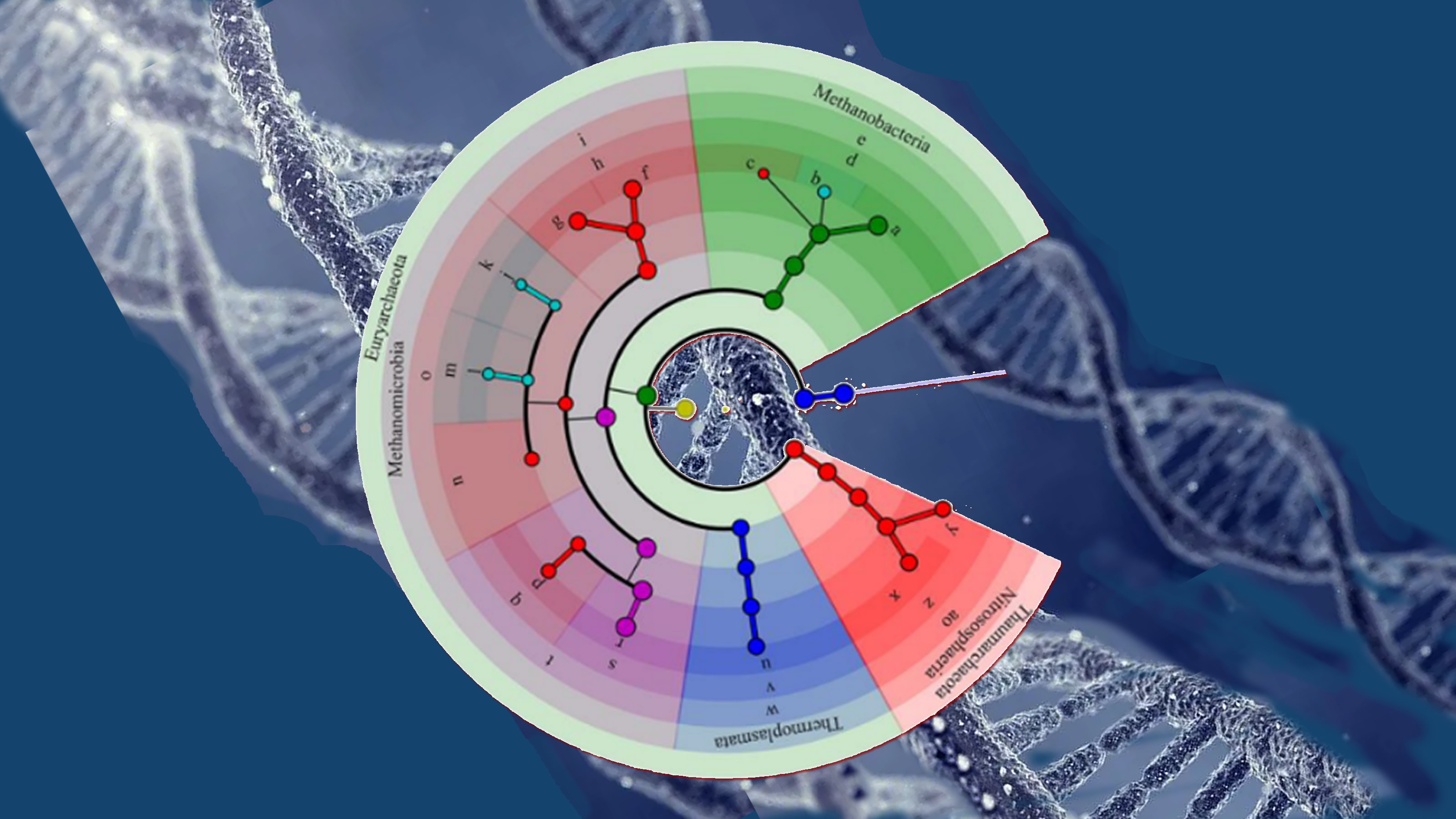
They found that the methanogenesis rate of glucose and starch was significantly higher than that of acetate, the reaction time of acetate was later, and nonanoate had no obvious methanogenesis. High-throughput sequencing of 16S rRNA genes of bacteria and archaea showed that the dominant methanogenic archaea were Methanosarcinales and Methanobacteriales. Compared with the control, the iron-reducing bacteria (Geobacter and Clostridium sensu stricto) had higher relative abundances in the glucose- and starch-treated groups, indicating that iron-reduction plays an important role in the methanogenesis of paddy soils.
They proposed whether the Fe reduction process affects CH4 emission by changing the properties of soil organic matter or electron transfer process needs to be further demonstrated in future studies.
Attachment Download: