


• Home
  • About Us
    • Brief Introduction
    • Address from the Director
    • Directors
    • Organization
    • IUE in Media
  • Scientists
    • Academicians
    • Professors
    • Associate Professors
  • Research
    • Research Divisions
    • Research Progress
  • Education
    • Admission
    • Study at IUE
    • Scholarships
  • INT'L Cooperation
    • INT'L Cooperation News
    • Partnership
  • Papers
  • Join Us
    • Job Opportunities
    • PIFI
      • What's PIFI
Contact Us   |   Sitemap   |   CAS   |   中文
  • Home
  • About Us
    • Brief Introduction
    • Address from the Director
    • Directors
    • Organization
    • IUE in Media
  • Scientists
    • Academicians
    • Professors
    • Associate Professors
  • Research
    • Research Divisions
    • Research Progress
  • Education
    • Admission
    • Study at IUE
    • Scholarships
  • INT'L Cooperation
    • INT'L Cooperation News
    • Partnership
  • Papers
  • Join Us
    • Job Opportunities
    • PIFI

Papers

  • HomePapers
  • Papers
    Viral metagenome reveals microbial hosts and the associated antibiotic resistome on microplastics
    Ruilong Li#, Xin-Li An#, Yijin Wang, Zhugen Yang, Jian-Qiang Su, Jonathan Cooper, Yong-Guan Zhu *

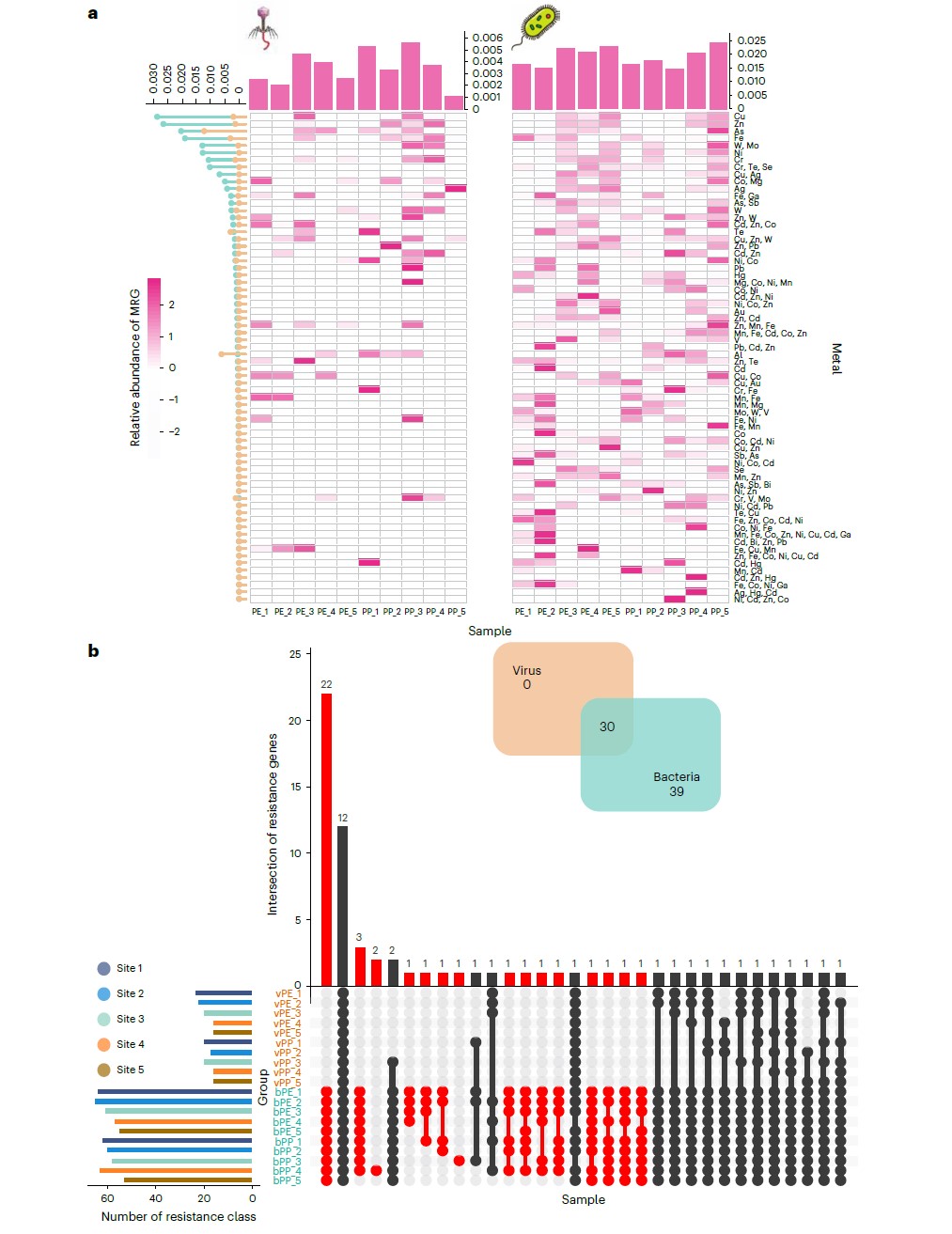
    Microplastics provide a unique niche for viruses, promoting viral interactions with hosts and accelerating the rapid ‘horizontal’ spread of antibiotic resistance genes (ARGs). Currently, however, there is a lack of knowledge concerning the main drivers for viral distribution on microplastics and on the resulting patterns of viral biogeographic distributions and the spread of the associated ARGs. Here we performed metagenomic and virus enrichment-based viromic sequencings on both polyethylene and polypropylene microplastics along a river. Experimental results show that Proteobacteria, Firmicutes, Actinobacteria and Cyanobacteria were the potential hosts of viruses on microplastics, but only approximately 4.1% of viral variations were associated with a bacterial community. Notably, two shared ARGs and six metal resistance genes were identified in both viral and their host bacterial genomes, indicating the occurrence of horizontal gene transfer between viruses and bacteria. Furthermore, microplastics introduce more distinctive elements to viral ecology, fostering viral diversification and virus–host linkage while refraining from an escalated level of horizontal gene transfer of ARGs in contrast to natural matrixes. Our study provides comprehensive profiles of viral communities, virus-related ARGs and their driving factors on microplastics, highlighting how these anthropogenic niches provide unique interfaces that comprise highly defined viral ecological features in the environment.

    Key words:

    Volume:

    Page:553 -565

    Journal:Nature Water

    https://www.nature.com/articles/s44221-024-00249-y

    About Us

    • Brief Introduction
    • Address from the Director
    • Directors
    • Organization
    • IUE in Media

    Scientists

    • Academicians
    • Professors
    • Associate Professors

    Research

    • Research Divisions
    • Research Progress

    Education

    • Admission
    • Study at IUE
    • Scholarships

    INT'L Cooperation

    • INT'L Cooperation News
    • Partnership

    Papers

    Join Us

    • Job Opportunities
    • PIFI
    Copyright © Institute of Urban Environment,Chinese Academy of Sciences. All Rights Reserved.
    1799 Jimei Road, Xiamen 361021 China.+86-592-6190973.