


• Home
  • About Us
    • Brief Introduction
    • Address from the Director
    • Directors
    • Organization
    • IUE in Media
  • Scientists
    • Academicians
    • Professors
    • Associate Professors
  • Research
    • Research Divisions
    • Research Progress
  • Education
    • Admission
    • Study at IUE
    • Scholarships
  • INT'L Cooperation
    • INT'L Cooperation News
    • Partnership
  • Papers
  • Join Us
    • Job Opportunities
    • PIFI
      • What's PIFI
Contact Us   |   Sitemap   |   CAS   |   中文
  • Home
  • About Us
    • Brief Introduction
    • Address from the Director
    • Directors
    • Organization
    • IUE in Media
  • Scientists
    • Academicians
    • Professors
    • Associate Professors
  • Research
    • Research Divisions
    • Research Progress
  • Education
    • Admission
    • Study at IUE
    • Scholarships
  • INT'L Cooperation
    • INT'L Cooperation News
    • Partnership
  • Papers
  • Join Us
    • Job Opportunities
    • PIFI

Papers

  • HomePapers
  • Papers
    Comparative study of heavy metal residues in struvite products recovered from swine wastewater using fluidised bed and stirred reactors
    Chu, DY (CHU, Dongyuan); Ye, ZL (Ye, Zhi-Long); Chen, SH* (Chen, Shaohua); Xiong, XJ (XIONG, Xiaojing)

    Struvite (MgNH4PO4·6H2O) crystallisation is a promising approach for phosphorus recovery from swine wastewater. Currently, intensive pig feeding has made heavy metals (HMs) extensive in swine wastewater; therefore, significant amounts of HMs have been detected in struvite recovery products. In this study, the HM residues in the struvite products recovered from stirred and fluidised bed reactors were investigated. The results showed that Zn, Mn, and Cu were the most abundant elements in swine wastewater (1,175.3 ± 178.0, 745.4 ± 51.5, and 209.3 ± 54.4 μg L-1, respectively). The HMs, especially Zn (97.0%) and Cu (96.8%), were mainly distributed in the total suspended solids (TSS) of the swine wastewater. Redundancy analysis revealed that the HMs in the struvite products harvested from the fluidised bed reactor were mainly attributable to the aggregation of dissolved matters, because most TSS were elutriated through fluidisation. In contrast, the HMs in the struvite products harvested from the stirred reactor mainly originated from the TSS, which complexed with the HMs, and co-precipitated and settled with the struvite products. Furthermore, chemical fractionation of the HM species confirmed that the presence of HMs in the struvite products was mainly attributable to metal precipitation and organic aggregation.
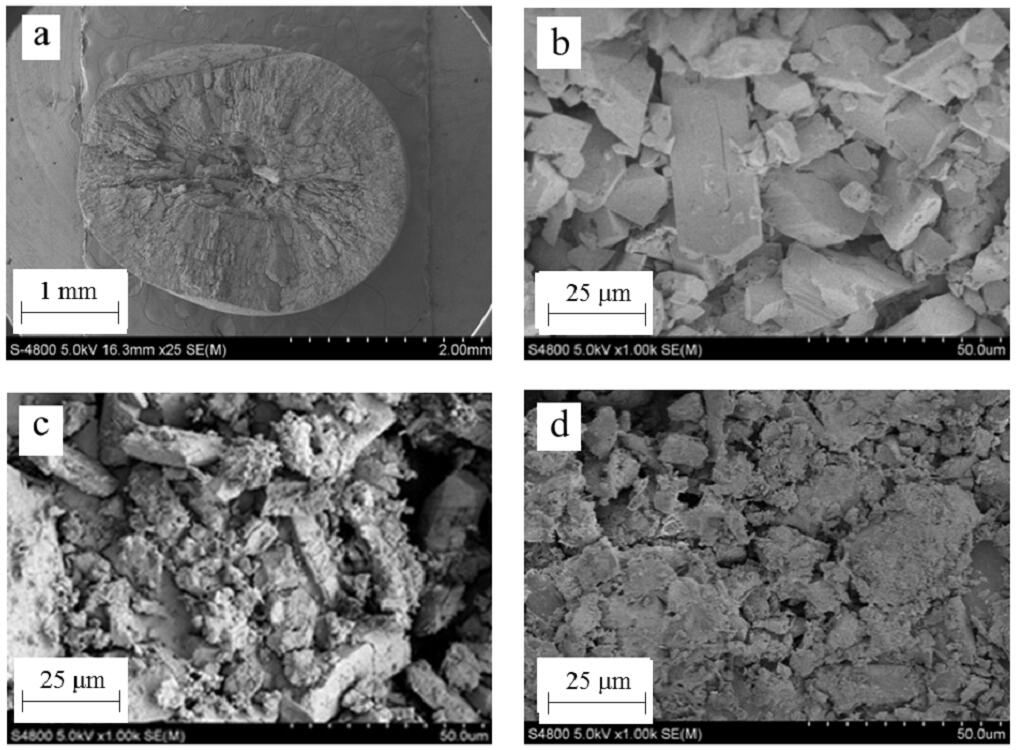
    Key words:fluidised bed reactor; heavy metals; stirred reactor; struvite; swine wastewater

    Volume:78

    Page:1642-1651

    Journal:WATER SCIENCE AND TECHNOLOGY

    https://doi.org/10.2166/wst.2018.438

    About Us

    • Brief Introduction
    • Address from the Director
    • Directors
    • Organization
    • IUE in Media

    Scientists

    • Academicians
    • Professors
    • Associate Professors

    Research

    • Research Divisions
    • Research Progress

    Education

    • Admission
    • Study at IUE
    • Scholarships

    INT'L Cooperation

    • INT'L Cooperation News
    • Partnership

    Papers

    Join Us

    • Job Opportunities
    • PIFI
    Copyright © Institute of Urban Environment,Chinese Academy of Sciences. All Rights Reserved.
    1799 Jimei Road, Xiamen 361021 China.+86-592-6190973.